
Myers-Briggs Harry Potter Characters: The MBTI Type of Every Witch and Wizard
Discover which Harry Potter character matches your MBTI personality type. From INTJ Snape to ESFP Ron Weasley — find your wizarding world twin across all 16 types.
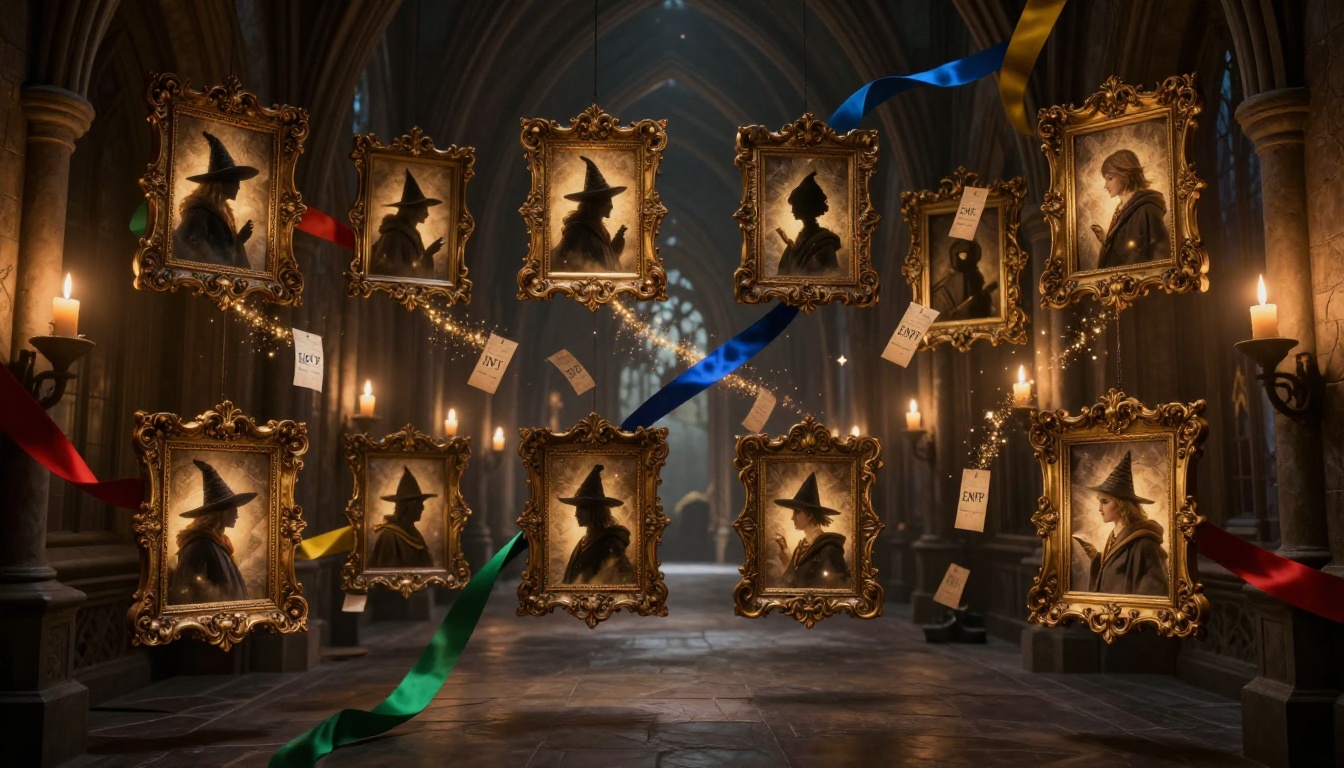
Have you ever wondered which Harry Potter character shares your personality type? The Myers-Briggs Type Indicator (MBTI) divides people into 16 personality types based on how they perceive the world and make decisions. When you map these types onto the beloved witches and wizards of the Wizarding World, the results are uncannily accurate.
Whether you’re a strategic INTJ like Severus Snape, a compassionate INFJ like Albus Dumbledore, or a spontaneous ESFP like Ron Weasley, there’s a Harry Potter character who thinks, feels, and acts just like you. In this guide, we’ll walk through all 16 MBTI personality types and reveal the Harry Potter character that best represents each one — complete with the evidence from the books and films that makes each match so convincing.
The Analysts (NT): Strategic Masterminds of the Wizarding World
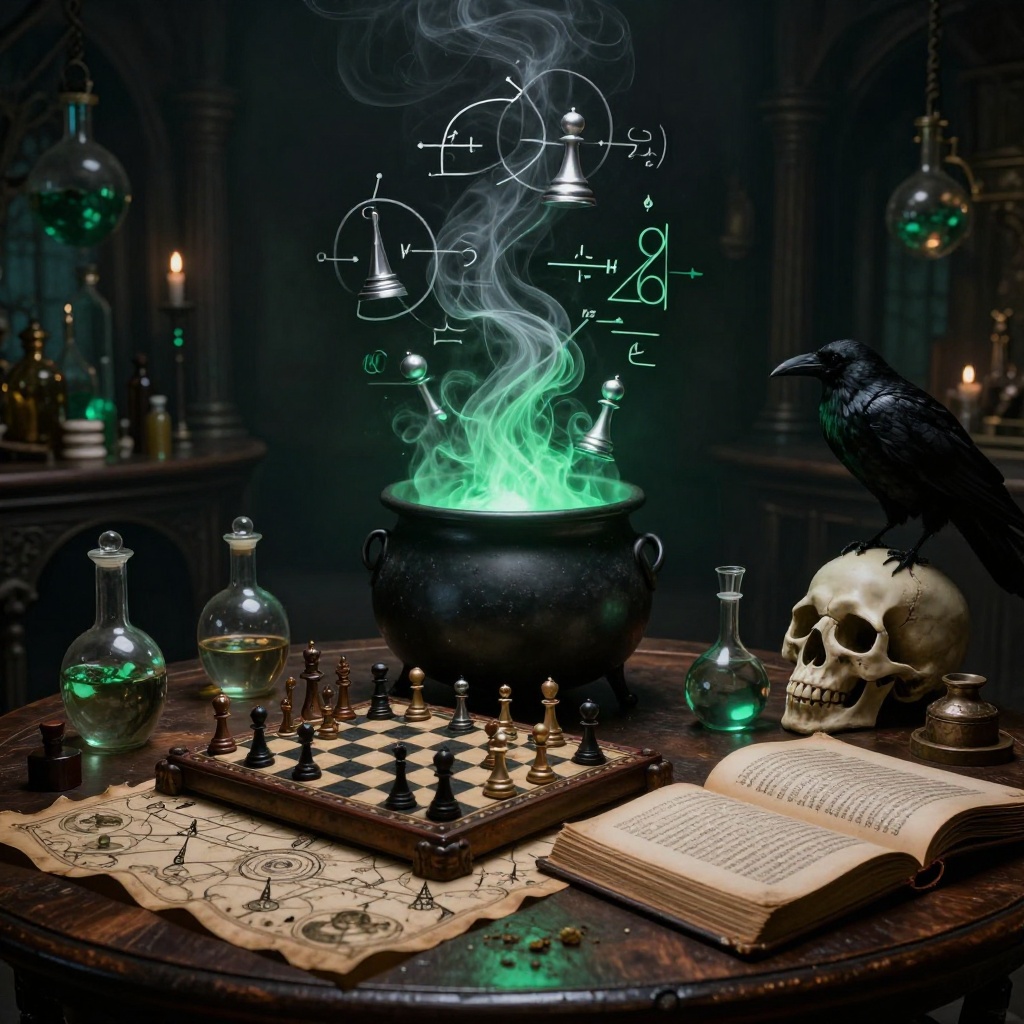
The Analyst temperament is defined by intuition and thinking. These characters are strategic, logical, and endlessly curious. They see the world as a puzzle to be solved and are driven by competence and understanding. In the Wizarding World, Analysts are the master planners, the inventors, and the intellectuals who operate several moves ahead of everyone else.
INTJ — Severus Snape: The Architect
Severus Snape is the quintessential INTJ — the strategic mastermind who plays the longest game in the entire Harry Potter series. INTJs are known for their long-term vision, independence, and willingness to make deeply unpopular decisions in service of a greater plan. Snape embodies every one of these traits.
For nearly two decades, Snape maintained a flawless double-agent cover, deceiving the most powerful Legilimens in history (Voldemort) while executing a plan that only Dumbledore fully understood. He endured universal hatred — from students, colleagues, and even the boy he was secretly protecting — without ever breaking character. That level of emotional compartmentalization and strategic patience is pure INTJ.
His teaching style is also textbook INTJ: exacting standards, zero tolerance for incompetence, and an expectation that students should figure things out themselves. Snape doesn’t hand-hold. He challenges. And his famous instruction to Harry — “Clear your mind” — reflects the INTJ’s belief that discipline and mental control are paramount.
INTP — Luna Lovegood: The Logician
Luna Lovegood might seem like an unusual choice for the analytical INTP, but look closer. INTPs are defined by their unconventional thinking, intellectual independence, and fascination with ideas that others dismiss. Luna is exactly this — she pursues knowledge and theories that the mainstream wizarding world considers absurd, from Nargles to Crumple-Horned Snorkacks.
What makes Luna an INTP rather than a “feeler” type is her detachment. She doesn’t get emotionally wounded when others mock her beliefs — she simply states her case with calm logic (at least, logic as she sees it) and moves on. Her father runs The Quibbler, essentially an alternative research journal. Luna approaches the world with genuine intellectual curiosity, always asking “what if?” rather than accepting conventional wisdom.
She also displays the classic INTP ability to see patterns others miss. At the Department of Mysteries, it’s Luna who remains the calmest and most observant. And her friendship style — loyal but never clingy, supportive but always honest — mirrors the INTP’s preference for authentic, low-drama relationships.
ENTJ — Lord Voldemort: The Commander
Lord Voldemort is the dark side of the ENTJ personality — the Commander whose ambition and strategic brilliance are untempered by empathy. ENTJs are natural leaders who think in systems, build organizations, and pursue their vision with relentless efficiency. Voldemort does all of this, just toward terrifying ends.
Consider how Voldemort built the Death Eaters: a hierarchical organization with clear chains of command, specialized roles (Bellatrix for enforcement, Lucius for politics, Snape for intelligence), and a carefully cultivated cult of personality. He didn’t just gather followers — he engineered a movement. That’s ENTJ organizational thinking at its most extreme.
His Horcrux strategy also reveals ENTJ thinking: a systematic, multi-redundant plan for immortality, each piece hidden with deliberate strategic logic. Voldemort’s fatal flaw isn’t lack of intelligence — it’s the classic unhealthy ENTJ blind spot: an inability to understand or value emotional bonds, which he dismisses as weakness.
ENTP — Fred and George Weasley: The Debaters
Fred and George Weasley are the Wizarding World’s ultimate ENTPs — inventive, irreverent, quick-witted, and absolutely incapable of following rules they consider pointless. ENTPs are the innovators and provocateurs of the MBTI world, and the twins channel this energy into Weasleys’ Wizard Wheezes, one of the most successful businesses in Diagon Alley.
ENTPs are driven by the joy of creating something new and proving that their unconventional ideas work. Fred and George didn’t just pull pranks — they engineered magical products that even seasoned witches and wizards couldn’t replicate. Their Portable Swamp, Skiving Snackboxes, and Peruvian Instant Darkness Powder showed genuine magical innovation. Even Professor Flitwick secretly admired their spellwork.
Their departure from Hogwarts — a spectacular, fireworks-laden rebellion against Umbridge’s authoritarian regime — is peak ENTP: dramatic, clever, principled (despite appearances), and designed to make a point while having the time of their lives.
Think you share a personality type with these strategic thinkers? There’s only one way to know for sure. Take the Sorting Hat Quiz to discover which Hogwarts house matches your mind.
The Diplomats (NF): Hearts and Souls of the Wizarding World

Diplomats combine intuition with feeling, making them the idealists, healers, and visionaries of the Wizarding World. These characters are driven by meaning, values, and a deep desire to make the world better. They see potential in people and possibilities in situations that others overlook.
INFJ — Albus Dumbledore: The Advocate
Albus Dumbledore is perhaps the most iconic INFJ in fiction. INFJs are known as the “mystic counselors” — visionary, complex, and deeply private despite appearing open and warm. Dumbledore embodies this perfectly: he shares wisdom generously but reveals almost nothing about his own pain, motivations, or master plan until absolutely necessary.
INFJs are future-oriented thinkers who see how individual events connect to larger patterns. Dumbledore spent years quietly arranging pieces on a board that only he could see — from placing Harry with the Dursleys to allowing Snape’s cover to remain intact, every decision served a long-term vision of defeating Voldemort. He told Harry exactly what he needed to know, exactly when he needed to know it.
But Dumbledore also shows the INFJ’s shadow side: a tendency toward secrecy and manipulation in service of “the greater good.” His relationship with Grindelwald reveals the INFJ’s vulnerability to charismatic ideologues who promise a world that aligns with their vision. Dumbledore’s greatest character growth was learning that his brilliant plans needed to be tempered by trust and transparency.
INFP — Newt Scamander: The Mediator
Newt Scamander is the gentlest hero the Wizarding World has ever seen — and a textbook INFP. INFPs are driven by deeply held personal values, compassion for the misunderstood, and a quiet determination to live authentically. Newt’s entire life is defined by his belief that magical creatures deserve protection and understanding rather than fear.
INFPs are often uncomfortable in social situations but fiercely passionate about their causes. Newt would rather spend time with a Niffler than navigate Ministry politics. He struggles to make eye contact with humans but can calm a rampaging Erumpent with patient gentleness. This isn’t shyness — it’s an INFP’s preference for depth over breadth in relationships.
His suitcase — a vast, lovingly maintained ecosystem for rescued creatures — is the perfect metaphor for the INFP inner world: rich, imaginative, and far larger than what appears on the surface.
ENFJ — Lily Potter: The Protagonist
Lily Potter (née Evans) represents the ENFJ at its most heroic. ENFJs are warm, charismatic leaders who inspire loyalty through genuine care rather than authority. Everything we learn about Lily paints this picture: she befriended the isolated Snape out of pure empathy, stood up to bullying even when it was her future husband doing it, and ultimately sacrificed herself for her son in the most powerful act of love in the series.
ENFJs have an almost supernatural ability to see the best in people and to bring it out. Lily saw past Snape’s rough exterior to the lonely, brilliant boy underneath. She saw past James Potter’s arrogance to the courage and loyalty beneath it. And the protection her love created — the ancient magic that saved Harry — is essentially the ENFJ superpower made literal: love so powerful it becomes a shield.
ENFP — Nymphadora Tonks: The Campaigner
Tonks is pure ENFP energy: enthusiastic, unconventional, fiercely individualistic, and absolutely refusing to be defined by anyone else’s expectations. ENFPs are the most free-spirited of all types — creative, warm, and always authentically themselves, even when it would be easier not to be.
Tonks’s Metamorphmagus ability is almost too perfect as a metaphor for the ENFP personality: she can literally become anyone, yet she always chooses to be unapologetically herself (usually with bright pink hair). ENFPs value authenticity above all, and Tonks demonstrates this by insisting people use her surname rather than the “Nymphadora” she hates — a small but telling act of self-definition.
Her decision to fight in the Battle of Hogwarts despite having a newborn baby also shows the ENFP’s deep moral conviction. ENFPs may seem lighthearted, but when their values are at stake, they’re as fierce as any warrior.
Which Harry Potter character shares your personality? Discover your wizarding world match. Take the Character Quiz and find out!
The Sentinels (SJ): Guardians and Pillars of Hogwarts

Sentinels combine sensing with judging, making them the practical, responsible, and dependable backbone of any community. In the Wizarding World, Sentinels are the rule-keepers, the nurturers, and the people who show up every single day to keep things running. They value tradition, duty, and taking care of their own.
ISTJ — Hermione Granger: The Logistician
Hermione Granger is the ISTJ in her finest form — meticulous, principled, hardworking, and armed with an encyclopedic knowledge base that she deploys with devastating precision. ISTJs are defined by their respect for facts, rules, and preparation, and no character in Harry Potter embodies this more than Hermione.
Consider her approach to every challenge: research first, plan second, act third. When facing the Devil’s Snare, she recalled Professor Sprout’s exact instructions. When brewing Polyjuice Potion as a second-year, she followed the recipe to the letter over months of painstaking work. When planning the escape from Gringotts, she had backup plans for her backup plans.
ISTJs are sometimes unfairly called rigid, but Hermione shows how this type grows: she learns to bend rules when justice demands it (S.P.E.W., helping Harry break into the Ministry, punching Draco). Her evolution from strict rule-follower to principled rule-breaker is classic ISTJ maturation — she doesn’t abandon her values, she deepens her understanding of when rules serve justice and when they don’t.
ISFJ — Neville Longbottom: The Defender
Neville Longbottom’s arc from anxious, forgetful boy to sword-wielding hero is one of the greatest ISFJ stories ever told. ISFJs are quiet, loyal, and deeply devoted to the people and principles they care about. They don’t seek the spotlight — but when their loved ones are threatened, they become unexpectedly formidable.
Neville’s loyalty is the defining force of his character. He joined Dumbledore’s Army not because he wanted to fight, but because his friends needed him. He stood up to Harry, Ron, and Hermione in their first year — earning Gryffindor the House Cup points — because he believed following rules was the right thing to do. And when Voldemort’s forces controlled Hogwarts, Neville led the student resistance, taking beatings from the Carrows rather than abandoning his post.
The moment Neville draws the Sword of Gryffindor and slays Nagini is the ultimate ISFJ moment: quiet courage, born not from glory-seeking but from an unbreakable commitment to protecting others.
ESTJ — Minerva McGonagall: The Executive
Professor McGonagall is the ESTJ gold standard: fair, efficient, uncompromising on standards, and ferociously protective of her domain. ESTJs are the organizers and enforcers who keep institutions running, and McGonagall keeps Hogwarts functioning through every crisis with crisp competence and zero nonsense.
Her management style is pure ESTJ: clear expectations, consistent consequences, and earned respect rather than demanded obedience. She takes points from her own house without hesitation. She enforces curfews and dress codes with equal vigor. But she also recognizes and rewards genuine achievement — her face when Harry first catches a Snitch reveals the pride she usually keeps under that stern exterior.
When the Battle of Hogwarts begins, McGonagall’s ESTJ nature blazes forth. She doesn’t agonize or philosophize — she organizes the defense, deploys the suits of armor, sets up protective enchantments, and duels Voldemort himself. “It’s good to see you, Potter,” she says mid-crisis, because even in chaos, an ESTJ maintains composure.
ESFJ — Molly Weasley: The Consul
Molly Weasley is the beating heart of the Harry Potter series and the ultimate ESFJ — warm, nurturing, community-minded, and absolutely terrifying when someone threatens her family. ESFJs are the caregivers who build and maintain the social bonds that hold communities together, and Molly does this for the entire Order of the Phoenix.
Her home, the Burrow, is essentially an ESFJ masterwork: chaotic, warm, always full of food, and unconditionally welcoming. She knits sweaters for everyone, including Harry — the orphan boy she instantly adopts into her heart. She cooks massive meals, remembers everyone’s preferences, and creates the sense of belonging that Harry has never known.
But the ESFJ’s warmth masks iron. When Bellatrix Lestrange targets Ginny during the Battle of Hogwarts, Molly unleashes the full fury of a protective ESFJ: “NOT MY DAUGHTER, YOU —!” That moment isn’t just iconic because of the duel that follows. It’s iconic because it reveals the truth about ESFJs: their kindness isn’t weakness. It’s the source of their power.
The Explorers (SP): Adventurers and Action Heroes

Explorers combine sensing with perceiving, making them the adaptable, action-oriented thrill-seekers of the Wizarding World. These characters live in the present moment, respond to crises with quick thinking, and bring energy and excitement wherever they go. They learn by doing, not by reading about it.
ISFP — Harry Potter: The Adventurer
Harry Potter himself is an ISFP — the quiet, values-driven hero who acts on instinct and personal conviction rather than grand strategy. ISFPs are often misunderstood as passive because they’re introverted, but Harry demonstrates the ISFP’s hidden intensity: when his values are violated, he acts with breathtaking decisiveness.
Harry doesn’t plan like Hermione (ISTJ) or strategize like Dumbledore (INFJ). He responds to the situation in front of him with courage, empathy, and an almost physical sense of right and wrong. He breaks rules not for the thrill (that’s ENTP territory) but because the rule stands between him and doing what’s right. He agreed to sacrifice himself in the Forbidden Forest not because of some calculated plan, but because he felt — in his bones — that it was the only choice consistent with who he was.
ISFPs are also defined by fierce loyalty to a small circle. Harry doesn’t need to be popular or admired — he needs Ron and Hermione. His relationships are deep rather than wide, and he shows love through actions (saving Ginny, rescuing Sirius) rather than words.
ISTP — Viktor Krum: The Virtuoso
Viktor Krum is the classic ISTP: a person of few words and exceptional physical skill who lets actions speak louder than conversation. ISTPs are the craftspeople and athletes of the MBTI world — they understand systems through hands-on experience and express themselves through mastery of their chosen domain.
Krum is the youngest Seeker in professional Quidditch history, and his playing style is pure ISTP: improvised, instinctive, and breathtakingly skilled. He doesn’t follow playbooks — he reads the game in real time and reacts. At the World Cup, his Wronski Feint is a masterclass in ISTP risk-taking: a split-second decision executed with perfect physical precision.
Off the pitch, Krum displays the ISTP’s characteristic quiet intensity. He’s not unfriendly — he’s simply economical with words and social energy. His interest in Hermione shows the ISTP’s attraction to intellectual depth, and his straightforward approach to asking her to the Yule Ball (no games, no drama) is textbook ISTP directness.
ESTP — Ginny Weasley: The Entrepreneur
Ginny Weasley evolves from shy little sister to the most dynamic ESTP in the Wizarding World. ESTPs are bold, pragmatic, and magnetic — they dominate whatever room or Quidditch pitch they walk onto and thrive under pressure. Ginny embodies all of this once she finds her confidence.
ESTPs are defined by their ability to act decisively in the moment. Ginny’s Bat-Bogey Hex is legendary. Her Quidditch skills rival Harry’s. She fought at the Department of Mysteries as a fourth-year and dueled Bellatrix Lestrange during the Battle of Hogwarts. She doesn’t overthink — she trusts her instincts and acts.
What makes Ginny a true ESTP rather than just “brave” is her social confidence and sharp wit. She’s the only character who can make Harry genuinely laugh during his darkest moments. She calls out nonsense directly, whether it’s from her brothers or from Harry himself. ESTPs have zero tolerance for pretension, and Ginny’s blunt honesty is her most attractive quality.
ESFP — Ron Weasley: The Entertainer
Ron Weasley is the ESFP who holds the trio together through humor, loyalty, and an emotional intelligence that often goes unrecognized. ESFPs are the life of the party — warm, funny, generous, and deeply attuned to the moods of the people around them. Ron is all of this, even when he doesn’t get credit for it.
ESFPs live in the present and process life through experience and emotion. Ron doesn’t analyze his feelings — he feels them intensely and expresses them immediately, for better or worse. His jealousy over Harry’s fame, his insecurity about being the “least impressive Weasley,” his horror at spiders — it’s all right there on the surface. This emotional transparency is the ESFP’s gift and vulnerability.
But Ron’s ESFP strengths are what make the trio work. He’s the one who makes Harry laugh. He’s the one who understands the Wizarding World’s culture and customs (pure-blood upbringing) while Harry and Hermione navigate as outsiders. And his greatest moment — returning to destroy the Horcrux locket despite it amplifying his deepest fears — shows that ESFPs, when they choose to face their shadows, are as brave as anyone.
Discover Your Wizarding World Personality
Every witch and wizard in Harry Potter brings a unique personality to the magical world — just like you. Whether you’re a methodical ISTJ like Hermione, a visionary INFJ like Dumbledore, or a spontaneous ESFP like Ron, your MBTI type connects you to a character whose strengths and struggles mirror your own.
Ready to discover where you truly belong in the Wizarding World?
Take the Sorting Hat Quiz Now →
Explore more of the wizarding world:
Related Reading

MBTI Hogwarts Houses: Which Hogwarts House Does Your Personality Type Belong To?
Discover which Hogwarts house matches your MBTI personality type. See where all 16 Myers-Briggs types get sorted — from INTJ Slytherins to ENFP Gryffindors.
Read more
Harry Potter House Traits: The Complete Guide to Gryffindor, Slytherin, Ravenclaw & Hufflepuff
Discover the defining traits of every Hogwarts house. Learn what makes Gryffindor brave, Slytherin ambitious, Ravenclaw wise, and Hufflepuff loyal — and find out which house you truly belong to.
Read more
The Ultimate Harry Potter Trivia Guide: Test Your Wizarding Knowledge
Challenge yourself with our comprehensive Harry Potter trivia collection covering all books and movies. Perfect for casual fans and die-hard Potterheads alike!
Read moreDiscover your magical identity